The Overbooked Life

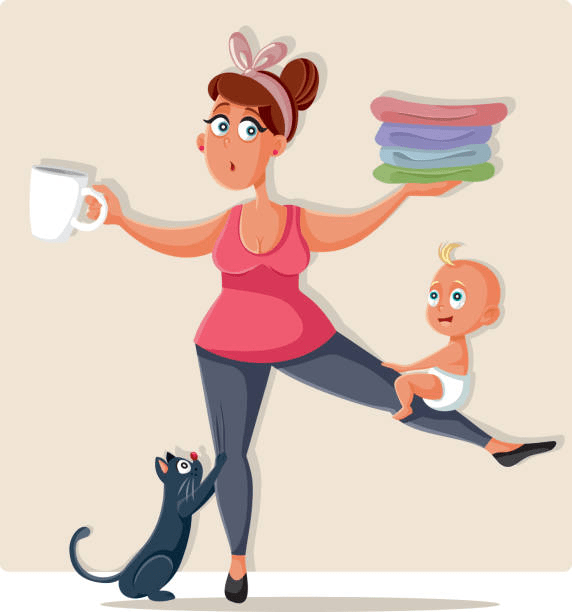
Because balance is a myth, but coffee is real.

  • Some of Us Learned to Be Strong Because We Never Had a Choice

    Let’s read that again.

    Some of us learned to be strong because we never had a choice.

    That statement, at least for me, hits home.

    How many people have we admired for their strength — the kind that changes our world, for better or worse? Yet, as we move through our daily lives, we sometimes forget how much the world itself changes us.

    It forges us in the echoes of time.

    Every hardship shapes and sculpts us. It can make us strong, but it can also leave scars — physical, emotional, or unseen.

    We grow up surrounded by little sayings that stick with us:

    “What doesn’t kill us makes us stronger.”
    “What doesn’t kill us gives us unhealthy coping mechanisms.”

    Honestly, I think both are true.


    Growing Up Resilient

    For those of us born in the 1980s, we’ve witnessed some truly historic highs and devastating lows.

    We were the latchkey kids — the ones who left the house in the morning and didn’t come home until the streetlights came on. We rode bikes, fished in creeks, swam all day at the beach, and fed chips to seagulls without a second thought.

    We also lived through recessions, pandemics, natural disasters, and acts of terrorism like 9/11. We saw history made with our first Black president and, later, our first female vice president.

    We grew up recognizing the phrase, “If the glove doesn’t fit, you must acquit,” and we knew who it was about. We watched the original Dark Shadows reruns and somehow survived a world with no GPS, no smartphones, and no internet to tell us where our friends were.


    When Innocence Cracked

    Then came Columbine.

    That was one of the first dark days that truly stuck with me. I remember the hushed whispers of teachers, the heaviness that filled the classroom. We all grew up a little that day. For the first time, I wondered if something like that could happen at my school.

    Fourteen lives lost — thirteen students and one teacher. It scared me in ways I didn’t have words for.

    But Columbine wasn’t the last.

    Less than a decade later came Virginia Tech in 2007: 33 people killed, 23 injured. By then, school shootings had become tragically familiar. Between 1999 and 2007, there were over a hundred incidents in the U.S. The more we heard about them, the more numb we became. These tragedies didn’t “make us stronger.” They gave us new fears — and yes, a few more unhealthy coping mechanisms.


    Adulthood and Aftershocks

    By 2007, I was entering young adulthood — right in time for the Great Recession.

    The collapse of the housing bubble, subprime mortgages, and irresponsible financial institutions made for a perfect storm. I was lucky in some ways — still renting, still figuring things out — but I remember moving back in with my mother to help her keep her home. That crisis felt personal, even if it didn’t break us.


    Strength, Revisited

    This went darker than I meant it to — but maybe that’s the point.

    When you reread the opening line again, it rings even truer now:

    Some of us learned to be strong because we never had a choice.

    For me, that strength was forged in a childhood marked by fear — not just from the world, but within my own home. There was starvation, abuse, and a constant fight to survive. But there were also moments of freedom: riding my bike 13 miles to the beach, and small lessons in resilience that came from necessity.

    One winter, my family went the entire season without power or heat because we were too poor to afford it. I learned that pinecones burn longer than cut wood, how to set traps, and how to ice fish just to stay warm and fed.

    Those experiences taught me that strength isn’t always loud or heroic. Sometimes, it’s quiet persistence. It’s waking up, pushing through your own mental blocks, and surviving another day.

    And survival — in any form — is still a win.


    Forged by Life

    We all have our own strengths to hold onto.

    We’re each living through history, and every breath we take carves us into who we’ll become. Who you are today may look back in awe at who you’ll be tomorrow.

    Wherever you are on this big blue globe, remember this: we’re all survivors.

    Until next time — keep the coffee hot, and the chaos manageable.

  • When Wishes Grow Up
    Daily writing prompt
    You have three magic genie wishes, what are you asking for?

    That’s an old question, isn’t it? And as we get older, our answers tend to change. When I was young—somewhere around fifth grade—my answers felt so big back then.

    My first wish was for a new bike. Silly, I know. But at that age, it was everything. A bike meant freedom. It meant I wasn’t stuck in one place—I could explore beyond the small bubble of walking distance. I could go faster, farther. And honestly, who doesn’t love to go fast?

    My second wish would have been for a comfy bed. I always read stories about little girls who curled up in cozy beds with soft sheets, warm blankets, and fluffy pillows. That dream still holds true for many adults today, if we’re honest. There’s something sweet and simple about the idea of comfort—a good night’s rest, a peaceful space. It’s not a lavish wish, but a fundamental one. A comfortable place to lay your head is almost a need—it restores your energy, your health, and your spirit.

    My third wish? A never-ending supply of food.

    If you’ve read my blog before, you know what that would have meant. For those visiting for the first time—welcome. Food, for me, wasn’t just nourishment. It was survival. Growing up, my sisters and I often didn’t know where our next meal would come from. We weren’t talking about “I missed lunch” hunger—we were talking about days without eating, losing weight, that hollow ache that changes you.

    I want to pause here. I wasn’t anorexic—but if you’re experiencing that kind of hunger or struggling with food insecurity, please, reach out for help. You’d think that level of hunger wouldn’t exist in today’s world, but it does. When I was a child, my family simply couldn’t afford enough food to feed seven people. The programs available now weren’t as accessible then.

    By the time I was around ten or eleven, my ideas about wishes had shifted again. We moved around constantly, often losing our homes. I didn’t understand our financial situation, just that we had to move—sometimes with no power, sometimes with just enough food to get by. Thankfully, generous neighbors would let us help in their gardens, and they’d share what they grew. We always had fruits and vegetables because of them.

    So my wishes at that age were still simple.

    My first wish? Chickens. I thought they were adorable—and practical. Eggs, meat, and a little backyard fun. My second wish stayed the same: a bike. The only difference was that now we lived closer to people, not out in the country. Still a simple, heartfelt wish.

    As for a third wish, I honestly can’t remember. Maybe I didn’t have one. I never wished for superpowers or fairy-tale magic; even as a kid, I thought real needs mattered more.

    Fast forward to today. Someone asked me that question again—and my squirrel brain immediately jumped through all those different stages of my life. My wishes now? Very different.

    My first wish would be sustainable generational wealth.

    I know—it sounds cliché. Money. But hear me out. It’s not just for me. It’s for my children, and their children. Growing up poor shaped me deeply, and my goal as a parent is for my kids to never know that kind of struggle. I don’t want them to experience hunger, cold winters without heat, or the heartbreak of saying no to small joys because money is tight.

    It’s not about greed or luxury. I wouldn’t want mansions or yachts. I’d pay off my home, clear my debts, and create a stable foundation. Generational wealth means freedom—the ability to travel to see family overseas, to give my kids experiences, and to never again have to choose between paying a bill and seeing a doctor.

    My second wish? A healthy, complete body.

    That may sound strange, but let me explain. I no longer have a thyroid, which affects everything—hormones, energy, emotions, metabolism. Without it, I’m at risk for serious complications like a myxedema coma. I also don’t have a gallbladder, so certain foods are off-limits. Add in food allergies and a back injury with bulging discs, and, well… it’s a lot.

    If I could have my body whole and healthy again, I could move more, eat more freely, and live with less pain. Even if I had the wealth to pay for treatments, it wouldn’t replace the feeling of truly being well.

    And my third wish?

    That’s the hardest one.

    The first two wishes would already secure my family’s future and give me my health. So what could possibly come next?

    I think I’d give that third wish away—to one of you.

    What would you do with my last wish? How would you use it to change your life—or someone else’s? Tell me in the comments.

    Until next time, keep the coffee strong and the chaos manageable.

  • Daily writing prompt
    What’s something you believe everyone should know.

    The Smell of a French Horn Case

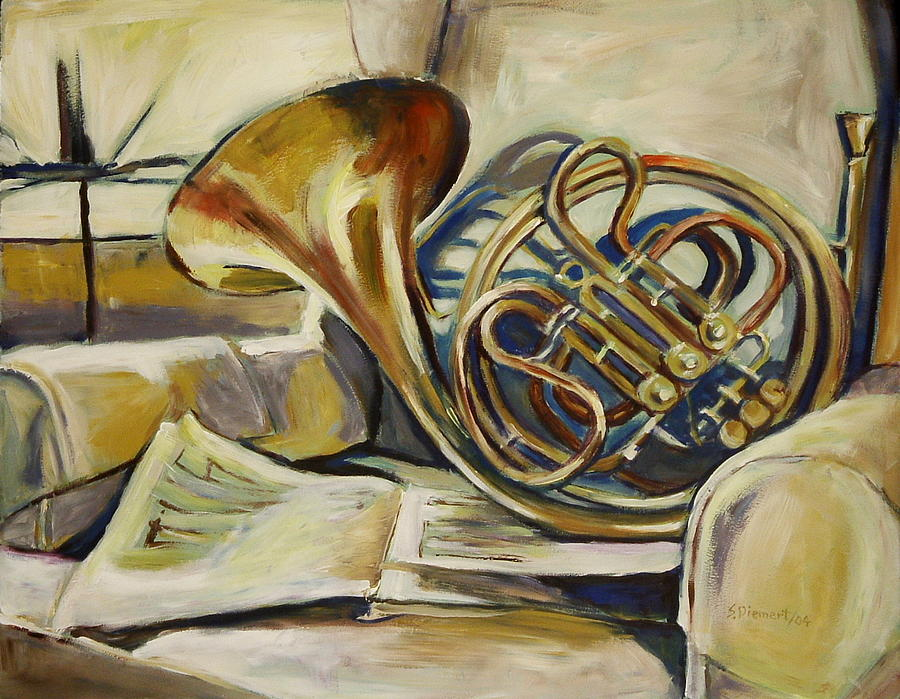
    An artistic painting of a French horn resting on a soft surface next to sheet music, evoking a sense of nostalgia and musicality.

    There are moments in life when we’re suddenly transported back in time — to a different version of ourselves, when life felt simpler, and the future stretched out far ahead.

    This morning, walking into work, I paused mid-step. A scent hit me — not a bad one, but unmistakable.
    It took me straight back to my middle school years, to the days when I was in band. I played the French horn — not particularly well, but I tried.

    The smell came from a French horn case. It’s not an easy scent to describe, but it’s lodged deep in memory. Metallic without being sharp — like an old coin kept in a velvet pouch. Beneath that is the earthy undertone of wood and glue from the case itself, mingled with a musty sweetness. It’s a mix of spit valves, resin polish, worn fabric, and the ghost of rehearsals past. It’s almost more of an emotion than a scent — something you feel before you name.

    That smell was a warm memory from a time when life itself wasn’t always so warm. You don’t encounter it often these days — unless you walk into a band room or an old music store. But in that moment, it felt like a quiet echo from the past.

    Back then, I swore I’d become the greatest French horn player in the world. The truth? I was so bad, dogs would howl when I practiced. I borrowed that instrument from school, carrying it with me as we moved from one town to the next. I tried — for three years.

    That single memory led to another. And another. Until I found myself standing in a flood of moments that helped shape who I am today.

    I always wanted to create music — to pour myself into something without being scolded or silenced. Instruments became a safe outlet for that. My mother once told me my singing voice was like nails on a chalkboard. So I never thought of singing as an option, even after I was the only student in my elementary school chosen for Opus — a prestigious honor choir made up of just 180 students across grades 4–8.

    That experience was surreal. I got to travel by bus and sing Christmas songs with other students from all over the country. No one in my family came to watch. Not even my mom. Being selected for Opus was a big deal. It opened doors — to vocal coaching, performance opportunities, even college paths. But right after my second concert, we moved. I lost my chance to try out again the next year.

    My mom pushed me to stay with the French horn instead. Maybe because it meant less travel. Less involvement. Growing up, the rule was simple: if it meant my mom had to do anything extra, the answer was no. So I let go of Opus and stayed in band.

    Now that you know the backstory, let me take you back to the moment that smell hit me.

    I was in elementary school. We had just finished band class and were headed out to recess. We were playing a game where, if you got tagged, you had to sing something. I got tagged. So I belted out, full voice, in the middle of the playground:
    “And Iiiiiii will always love youuuu!” — full Whitney Houston style.

    Our band director heard me. She stared, then told me to follow her inside. I thought I was in trouble. She led me to the music room and brought in the choir teacher. I was asked to sit down.

    Then I was asked to sing.

    I matched pitch to piano notes, singing up and down the scales while the two women looked at each other in total disbelief.

    “Have you ever sung before?” the choir teacher asked.

    “I sing all the time,” I said. “Outside, in my room, on my bike…”

    “No,” she clarified, “have you ever sung on stage?”

    I answered honestly.
    “Yes — I sang in Opus. Twice.”

    They were floored. They knew what that meant — how selective it was, how competitive, how rare. Thousands of kids audition. Only 180 are chosen.

    That was the day everything shifted. I was pulled out of band and placed into choir.

    I spent the rest of my school years in music — singing in choirs, performing in plays, joining show choir. Those became some of the happiest years of my life. Even when the world shut down during COVID, I sang on Twitch Sings to help feed my family. Music, in its many forms, has remained my refuge — my relief.

    And all of that came rushing back…
    With the smell of a French horn case

    It reminded me not just of childhood or music — but of something deeper. A truth I keep relearning as an adult:

    We can’t always let others carve our paths for us.
    Even with the best intentions (or sometimes, without any), people can steer us away from the very things that light us up inside.

    That old French horn case smell — strange and specific as it is — reminded me of how easy it is to slip into choices that aren’t really ours. To follow directions instead of dreams. To stay where it’s convenient, instead of going where it’s right.

    And here’s the kicker: sometimes, we’re still doing it.
    We find ourselves stuck in jobs, routines, or roles that echo those old compromises. Doing things we’re good at… but not necessarily what we love. Doing what keeps the peace, not what sets our hearts on fire.

    So that scent — that unexpected trigger from years ago — felt like more than a memory.
    It felt like a reminder.

    To listen.
    To choose.
    To stop waiting for permission to follow the thing that’s always been calling.

    Because the path that’s meant for us?
    It doesn’t come pre-carved.

    We carve it ourselves.

    Until next time, keep the coffee strong and the chaos manageable

  • “I Used to Be One of Them”

    By Someone Who Knows Better Now

    In this day and age, it’s heartbreaking to see how common body image mocking still is. At the same time, sadly, it’s not surprising. We’ve developed a nasty habit as a society—this addiction to believing we know what everyone should look like. Somewhere along the way, we forgot a very simple truth: there have been entire periods in human history where women with thicker bodies were considered the pinnacle of beauty.

    Being curvier once signified wealth, fertility, and health. In the Middle Ages, a fuller figure was not only normal—it was desired. Yes, of course, their concept of health was different than ours. But the point still stands: beauty standards are cultural and they are fluid.

    But today? It feels like if you don’t fit into a narrow, often impossible mold, you’re treated like something’s wrong with you.

    I say this as someone who was once guilty of holding those same judgmental beliefs.

    Not when I was 16. Not even at 19. I’m talking into my twenties—full-on adult years. I used to look at people with larger bodies and think, “I’ll never let myself get like that.” I curled my lip. I judged. I thought it was always a result of laziness, or overeating, or not caring about your body.

    In a word: I was ignorant.

    The world I grew up in? We all had our own version of being sheltered. In my version, if someone was overweight, it was their own fault. Self-neglect and poor choices. That’s what I was shown. That’s what I believed. And now, sitting here almost twice the age I was then, I know how dead wrong I was.

    It’s so easy to assume someone is overweight because they “just let themselves go.” But that’s the lazy assumption. It’s the assumption of someone who doesn’t understand medical complexity, genetics, or the impact of trauma.

    Let’s talk about Marilyn Monroe. Most people picture her as this tiny pin-up figure, but she was actually a size 14–18 by today’s standards. So let’s quit pretending that only one kind of body has ever been beautiful.

    I write this now as a thicker woman myself—someone who used to believe in the cookie-cutter ideals of beauty and health. Someone who was “educated” by life, and not gently. My body has become my teacher, and the lessons have been hard-earned.

    You want to know the reality of being mocked or silently judged for your body?

    It’s not just the comments. It’s not even always the stares. It’s the thoughts that echo in your own head long after.

    Thoughts like:

    • “Maybe I need to work out more.”
    • “This is where my self-esteem came to die.”
    • “This is the result of being gross.”
    • “No one wants your drooping belly.”
    • “You’re disgusting, better layer up to hide the rolls.”

    Those weren’t random insults I heard from someone else. Those were the thoughts I had this very morning as I stood in front of the mirror getting dressed for work.

    Then I sit at my desk, feel the waistband of my pants dig in, and think:

    • “Maybe I should’ve worn the black ones.”
    • “Why did I choose pink? Now I just look bigger.”
    • “I should just buy bigger pants before I pop these.”

    And here’s the ironic part: people think I wear black because I like it. Truth is, I love bright, bubbly colors. But black? Black is slimming. It hides the parts of me I’m still ashamed of. It keeps me invisible where I want to disappear.

    All of that mental weight sits on my shoulders before I even open my work emails. It drains my focus, affects my confidence, and makes it that much harder to perform well.

    And yet, I know why I look the way I do. I know this body isn’t the result of laziness, or overeating, or neglect. And no, eating just salads and “healthy” foods won’t fix what’s broken inside me.

    I have a thyroid condition.

    After my second pregnancy, I was diagnosed. No shock—my mom has it. So did my grandmother. It runs deep in our bloodline. Before that? I was rail thin. I could eat like a bottomless pit and not gain an ounce. But that wasn’t health either.

    Turns out I had Graves’ disease, an autoimmune disorder that causes hyperthyroidism. It went undiagnosed for years. Growing up poor, food was scarce. Combine that with a disease that kept my metabolism in overdrive? I was malnourished, anxious, thin—and unwell.

    Let me give you a quick list of what Graves’ disease can do:

    • Weight loss despite constant hunger
    • Fast heartbeat, nervousness, irritability
    • Menstrual changes
    • Extreme fatigue
    • Bulging eyes and skin issues (Graves’ dermopathy)

    My body went from one extreme to another. From too thin to what some might now label “too much.” But it wasn’t my choice either way.

    Now I live in a body that doesn’t reflect the effort I put in. It reflects years of autoimmune battles, pregnancies, surgeries, and hormonal warfare.

    So yes, I used to be one of them—the people who judged. I used to look at bodies like mine and think, “That will never be me.”

    But here I am. And I finally see the truth: Bodies are not billboards for discipline or self-worth. You can’t read someone’s habits, trauma, or medical history by looking at them.

    And if you think you can?

    You’re still ignorant. Just like I once was.

    Until next time, keep the coffee strong and the chaos manageable.

  • Daily writing prompt
    Share a lesson you wish you had learned earlier in life.

    The Lessons I Learned Too Late

    When you hit that 35–45 age bracket, something changes. Suddenly, you find yourself reflecting on all the things you wish you’d figured out earlier in life. Not just the things you should’ve learned, but the things you wish you had actually listened to. Regret is a powerful emotion—but so is embarrassment.

    Here’s my confession: I was a good student in school. On paper, anyway. My GPA stayed between 3.8 and 4.0, I racked up scholarships, and I knew how to make teachers smile. But in reality? I sometimes took the easy way out. If I didn’t see myself needing it someday, I didn’t bother learning it well.

    One of those classes was economics. I passed with the bare minimum. Honestly, I treated it like it was just something to survive, like gym class dodgeball. But now, as an adult who juggles bills, savings, kids’ activities, and the occasional surprise medical expense, I wish I’d paid more attention. Balancing a budget feels a lot like being back in dodgeball, except now the balls are made of overdue notices.

    Another class I regret brushing off was shop. If you’re an ’80s kid, you probably remember it: woodworking, building, and fixing things. At the time, I thought, Why would I ever need this? Well, now I know exactly why. Because adulthood is just one long string of things breaking.

    My teacher let me skim by, and I was happy to coast. But now, I watch my older sister with this mix of awe and envy. She can rip a window out of her house and install a new one. She’s rebuilt stairs, put in new flooring, tiled her kitchen backsplash—basically turned her home into an HGTV episode. Meanwhile, I open the box of instructions for laying my own flooring and feel like I’m reading hieroglyphics. “Step 1: Insert tab A into slot B.” Where’s tab A? What’s slot B? Why does it look nothing like the picture?!

    So instead of DIY, I do what I now call DIFM: Do It For Me. I hire someone else. And sure, it gets done, but it adds to the ever-growing “maybe someday” pile of projects I wish I could do myself. My deck, for example, desperately needs to be rebuilt. How amazing would it feel to say, I did that with my own two hands? But thanks to my past self slacking off in shop class, my present self has to open the checkbook instead of the toolbox.

    Now, I can already hear the advice: “Just learn it now. You’re never too old to learn.” And you know what? That’s fair. But let’s be real—learning something like flooring or carpentry requires one thing I don’t have: time.

    Sure, YouTube is always there to help, but let’s be honest—it’s a trap. The guy in the video says, “This is so easy, anyone can do it!” while casually replacing a roof in thirty minutes with a smile and zero sweat. Meanwhile, I’m five minutes in, covered in dust, three bandaids deep, and my project looks like something the dog chewed on. YouTube makes me believe I’m about to star in my own DIY success story, and then reality checks me like, “Ma’am, please step away from the power tools.”

    And if I’m being completely honest, my own track record proves the point. Case in point: the bookshelf. I tried to put one together once, and let’s just say it did not go as planned. At first glance, it looked okay—until you touched it. Then it wobbled like Jell-O in an earthquake. If anyone leaned on it even slightly, I was sure it would collapse into a neat little pile of timber. My kids gave it the side-eye every time they walked past, like it was some kind of booby trap. In the end, we handed it off to someone who actually knew what they were doing, and I just paid the extra money for one that was already built and delivered. Honestly? Best money I’ve ever spent. At least this one won’t try to kill us.

    If you’ve read my blog before, or even just the title—The Overbooked Life—you know my schedule is pure chaos. Mom of five. Working nearly every day. Running to appointments. Chasing kids. Trying to remember when I last had a moment to just sit down. And when I do finally have a rare day off? It usually ends with me sick in bed, staring at the ceiling like, So this is what relaxation feels like.

    That’s the thing. It’s not laziness. It’s just life. No time, and when there is time, no energy.

    So yes, I wish I’d learned differently. I wish I’d had the foresight to realize that certain skills—budgeting, carpentry, basic home repair—would be worth their weight in gold. Youth doesn’t think like that. My younger self was sure she’d end up living in some sleek little city apartment, working in music or computers, making enough money to just hire people to fix stuff. Marriage and kids weren’t in the plan at all.

    And yet, here I am. Married. Five kids. A house that constantly needs something fixed. And honestly? I wouldn’t trade it for the world.

    What I can do now is change how I approach things. I may not have time to take on every new skill, but when life presents the chance to learn—even something small—I take it. Because someday, I just might need it. And maybe, just maybe, my future self will thank me for giving her a gift that my past self didn’t.

    Until next time, keep the coffee strong and the chaos manageable.

  • Daily writing prompt
    What are you doing this evening?

    For those who live in the world of customer service and sales, you already know the drill: long hours, endless people-ing, and the constant feeling that you’re two steps behind no matter how fast you run.

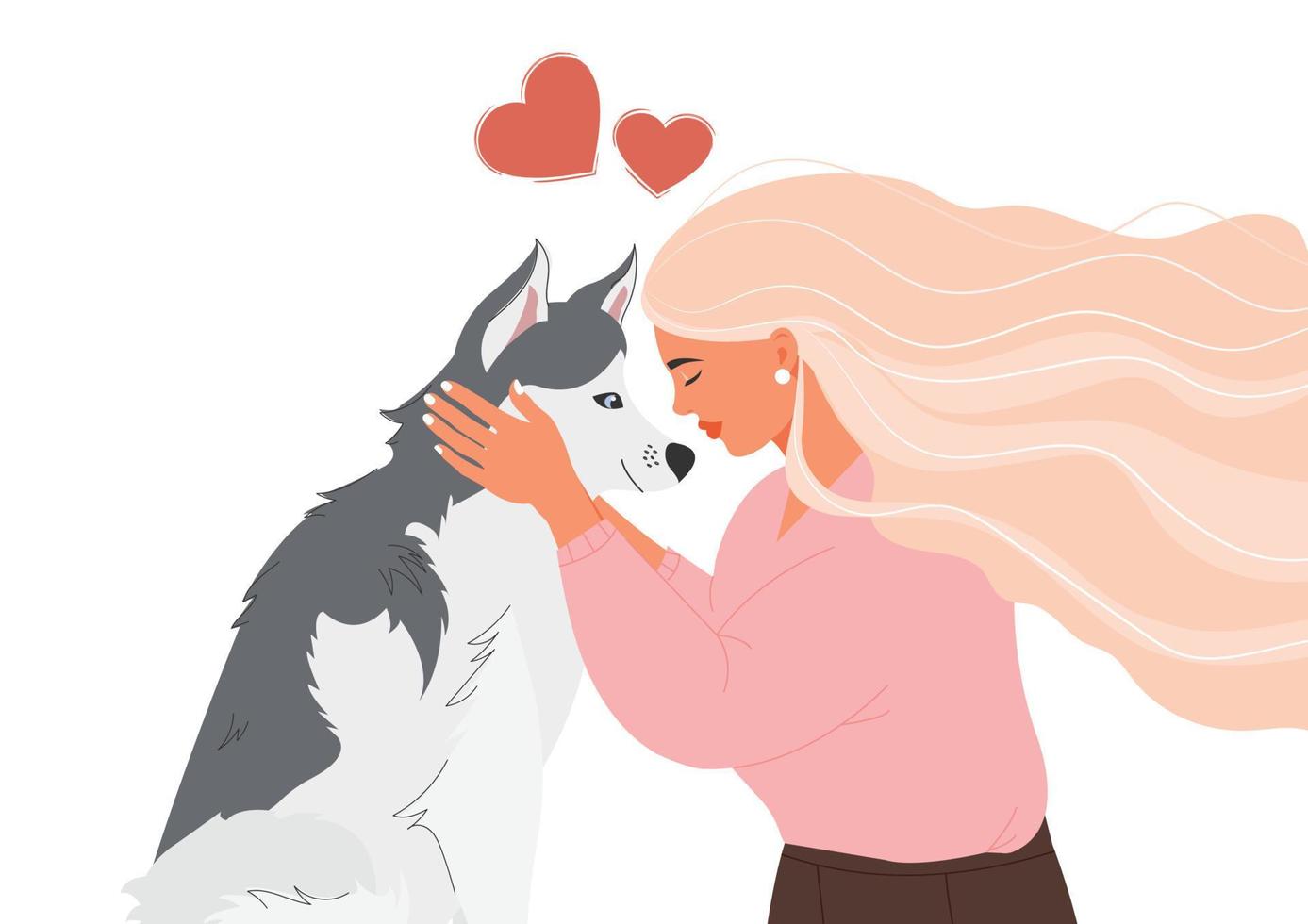
    The day starts early—6 a.m.—because the husky boys demand their first walk. An hour later, they’re happy and I’m already behind. Then comes the kid battle: my daughter tries to test the limits of what she can get away with wearing to school, while my son insists on recycling the same outfit half the week. Breakfast follows, plus prepping dinner for my husband, packing lunches for me and my daughter (we work at the same place), and maybe—if the stars align—coffee.

    Then it’s the school run, the dash back home, and the inevitable look at the clock: 8:30 a.m. Already late for the morning meeting. The race to work begins. Which lane will be faster? Will I hit the construction backup? Can I “speed” a whole five miles over without feeling guilty? Oh wait—out of gas.

    And that’s just the warm-up.

    Work itself is a marathon of hurry-up-and-wait. Fix this, tag that, answer a ringing phone that nobody else hears, help coworkers, help customers, help everyone. Run, rush, repeat. And no—I’m not management. (I wasn’t even given the honor, which honestly turned out to be a blessing. Who wants all that responsibility for only $300 extra a month?)

    By the time I finally climb back into my car, I hit play on an audiobook (currently Mark of the Fool—worth the listen!) and just pray I stay awake on the hour-long drive home. Once I’m there, I don’t get to collapse—not yet.

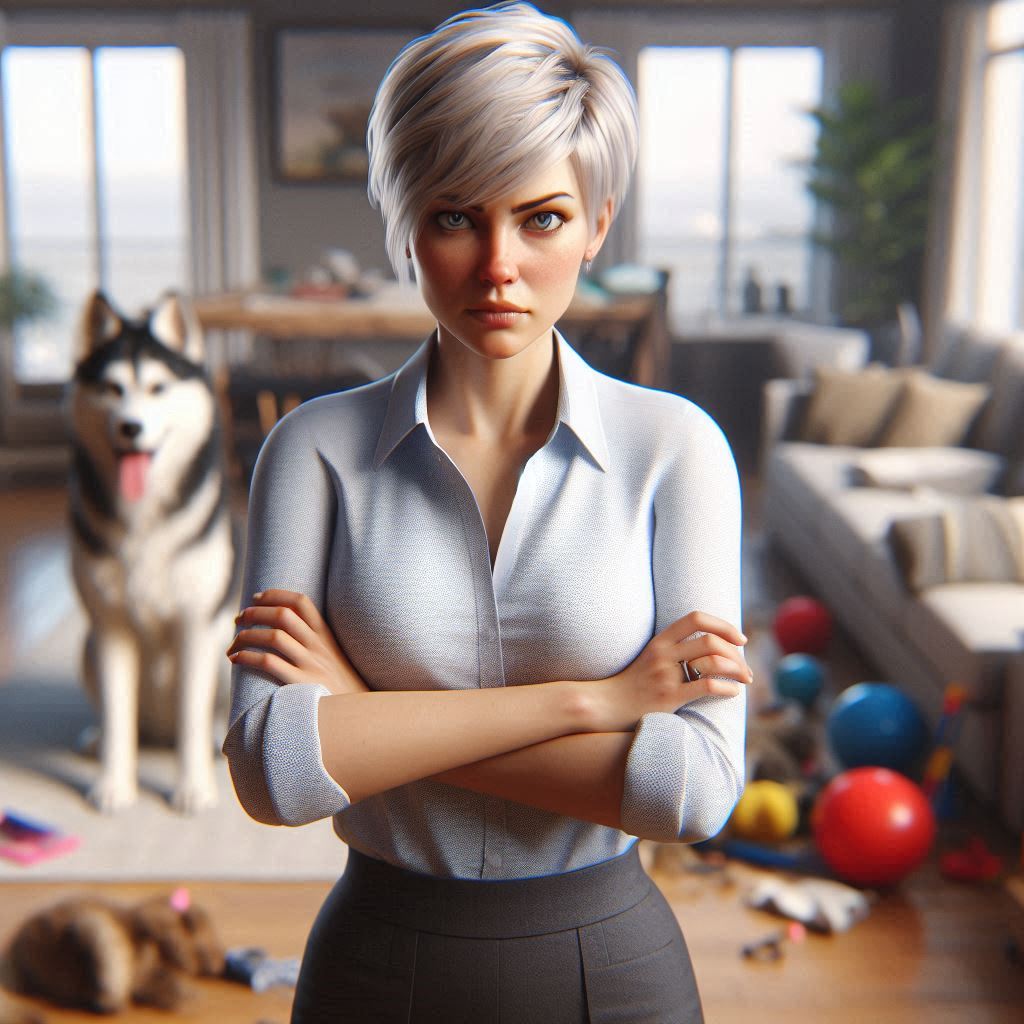
    Because the huskies are waiting. And no one else in the house can walk them—literally. My kids are too little to wrangle two strong huskies, and my husband’s on a completely different work schedule. Which means, tired or not, it’s always me. Yes, the dogs spend their days running around our big backyard—chasing, digging, lounging in the sun or snow—but a yard isn’t the same as a real walk. Huskies need miles, not just square footage.

    So every night, I lace up, grab the leashes, and march out the door. A mile per dog. Rain, shine, snowstorm—it doesn’t matter. And if I’m being honest, some nights it feels less like I’m walking them and more like they’re walking me—dragging me down the sidewalk while I just try to keep my dignity (and my balance). By the time I finally kick off my shoes, it’s 11 p.m., and I’m completely spent. But then they look at me with those big husky smiles like, “Good walk, Mom.” And somehow, that makes it worth it. Exhausting, but worth it.

    Meanwhile, my husband is already snoring—we pass each other like ships in the night thanks to his 1 a.m.–10 a.m. shift. I’ll turn on a show, zone out through two episodes, and eventually pass out myself. Then the alarm hits, and we start all over again.

    It’s not glamorous. It’s not easy. And honestly, it’s a little depressing when I realize how little time is left for me. The fun stuff—movies, roller skating, camping trips, or even just having the girls over for drinks—feels like another lifetime. After peopling all day, the thought of peopling more is just…exhausting.

    So, if you take anything from this, let it be this: be kind to the people who people all day. We’re tired. You’re a lot. And some days, we’re just running on caffeine, husky walks (where they walk us), and stubbornness.

    Until next time, keep the coffee strong and the chaos manageable.
  • Daily writing prompt
    How do you relax?

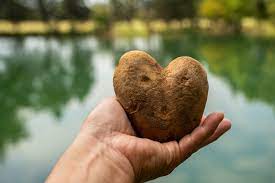
    Potato Life: Then vs. Now

    It’s funny how what counts as relaxing changes as we age.

    When I was younger, relaxing meant going places. A day at the beach? I was there. An all-day bike ride? Sign me up. Amusement parks? Absolutely. Sitting still wasn’t rest—it was boring. Adventure was how you unwound, and the energy for it seemed endless.

    Back then, money meant freedom. If I wanted some, I’d mow lawns, do yard work, clean—anything to get a little cash. That money meant I could buy things myself, no waiting, no asking.

    One of the most important things I ever bought was a bike. Not a want—a need. My old one was constantly breaking down, and I was forever patching it just to get by. That bike was how I got to school, to work, to friends’ houses—it was my independence. So I saved, worked, and bought a reliable new one.

    And then my parents took it away.

    Because show choir practice ran late—something they wanted me to be part of but didn’t like the hours for—they decided to punish me. They didn’t ground me, didn’t yell. Instead, they took my bike, the one I worked for, the one I needed, and handed it to someone else. That wasn’t theirs to take, and that’s what burned. It wasn’t about the bike itself—it was about losing something I had worked for, something I had earned, to a decision that wasn’t mine. That sense of betrayal has stayed with me ever since.

    If my sister had needed a bike, I would have helped her find one that fit her. I was already working nearly 30 hours a week, paying for clothes, outings, even my own school trip to California. I had no problem sharing what I had. But this wasn’t sharing—it was being stripped of something essential, and it cut deep.

    So I rebelled. I bought another bike, an even better one, and I refused to leave it where it could be claimed again. I locked it up across the street with the other bikes. When my mom asked why I didn’t just bring it home, my teenage honesty slipped out: “Because I don’t want you to steal something else I paid for.” That earned me a beating, but that bike was never taken. My point must have landed.


    Now, life looks different.

    I work long hours, and when I get home, most of my energy goes into being a parent. I love my kids, but raising them while juggling work and bills doesn’t leave much left in the tank. The thought of doing the all-day outings I once lived for—bike rides, beaches, amusement parks—feels exhausting. Sure, those things still happen once in a while, but not like they used to. And honestly? I don’t miss them as much as I thought I would.

    Because spending money just to “relax” doesn’t appeal to me anymore. In my youth, money meant freedom, escape, adventure. Now, it feels tied to bills, to planning, to stretching the paycheck far enough. Dropping cash on some getaway or outing isn’t relaxing—it’s stressful. I’d rather hold onto that money, because real peace doesn’t cost me anything.

    The best things for me now are the things I already have at home. A bed that adjusts just right, a massage feature humming against my back, and a good book in my hands. A warm cup of tea or coffee. My kids piled into bed or on the couch with me, blankets everywhere, a movie playing, everyone laughing at the same silly scene. That’s relaxing. That’s the stuff that matters.

    And it’s not just quiet nights, either. We do family game nights—board games, card games, snacks spread across the table, hours of laughter and ridiculous rules that mysteriously get “bent” when someone is losing. In the summer, we light up the fire pit out back, roasting marshmallows and making s’mores while the kids try to see who can set theirs on fire the fastest (apparently that’s a competition now). Sometimes we set up a projector in the yard, pile onto blankets under the stars, and turn the backyard into our own personal movie theater. Even baking with the littles in the kitchen becomes an adventure—flour everywhere, too much sugar sneaked into mouths instead of bowls, and cookies that somehow always vanish faster than they cool.

    We call all of this “potato-ing.” Doing nothing extraordinary, just being together, cozy and content. And the truth is, it’s better than any beach trip or amusement park ever was.

    When I was young, money meant adventure. Now, it means stability. But the real adventure these days is finding joy in the simple things—loving what I have, and who I have with me. That’s the best way to Potato.

    Until next time, keep the coffee strong and the chaos manageable.

  • Daily writing prompt
    Are you holding a grudge? About?

    Do I Hold Grudges?

    I want to say no—I really do. But the truth is, yes. I hold grudges. Not always by choice, not always out in the open, but certain things dig in deep and change the way I see people or situations. They don’t just fade away.

    Work is where my grudges seem to grow the fastest. It stings to watch people call out because they drank too much the night before, or casually shrug off responsibilities I’d never dream of ignoring. And while I might still like these people, that bitterness sits with me.

    But the grudges that weigh the heaviest aren’t about coworkers. They’re about the company itself.

    Last year, a single decision changed everything: they added another person to my department. My income dropped from over $80,000 to $56,000. On paper, it still looks fine—“good money.” But in reality, it kept me in a higher tax bracket while I was still making less money. Less money, more struggle.

    And that was the hardest part: before this, my family thrived. We weren’t rich, but our bills were covered, and there was even room to save. We had breathing space. For the first time in my life, I felt like we were building something stable. And then, almost overnight, it was gone.

    With another person siphoning the same pool of business, we drowned. Maxed-out credit cards. Selling things from our home just to scrape by. Then the slow season hit. My income plummeted to $2,000 a month. And because I “made too much,” we didn’t qualify for help. Same tax bracket, just smaller checks.

    By January, I was on the brink of losing my home.

    I begged for hours, for pay, for any kind of support. My manager brushed me off with, “Just close more business.” I didn’t know it then, but he was trying to get rid of me.

    When the assistant manager role opened—a guaranteed $1,200 more a month—I applied. I wasn’t even granted a real interview. His reasoning?

    “You’re too much of a bad-ass bitch to be someone’s bitch. Assistant managers don’t move up in this company.”

    I was stunned. This man had been here less than a year and had already gutted the store’s culture, firing people left and right.

    Then, one night, as my husband told me, “He goes or you go,” my phone buzzed. A company email. He’d been fired.

    Relief, yes—but also resentment. Because the damage was done. We were thousands behind on our mortgage, clinging to survival. A coworker—an absolute saint—loaned us the money to save our home. I can still remember the way I collapsed when I realized we’d make it through that month.

    A new manager came in, saw the mess, and asked why my once-thriving department had collapsed. I told her the truth: there wasn’t enough business for two full-timers. She restructured the schedule, and slowly, my income returned.

    My anger eased—but not completely.

    Later, when the assistant manager position opened again, I tried once more. I applied at two locations: one at the store where I still work, and another closer to home.

    The interview at my store went well—I felt heard and respected.
    The other one? Humiliating. I was told flat-out, “I don’t know why you’re here.” The manager spent the entire time talking about himself and made it clear he’d already chosen someone else. I withdrew my application after that.

    What made the whole process sting even more was knowing that every choice I made about applying—or not—was tied to survival. Same tax bracket, just smaller checks. Every missed opportunity, every closed door, felt like one more shove toward drowning.

    I didn’t get the role at my store either. Officially, it was because the other candidate lived closer. But the truth trickled down to me later:

    “You’re too good at your department to ever be permitted to leave it for management.”

    It was meant as a compliment. But it landed like a slap.

    So, do I hold grudges? Yes. Against the people and the system that put my family on the edge of losing everything. Against the culture that rewards mediocrity while punishing loyalty.

    But here’s the thing: maybe those grudges are also fuel. Maybe holding on to them is what keeps me fighting, pushing, and refusing to settle. Because I know what it feels like to be broken down to the numbers on a bill—and I never want to be there again.

    At the same time, I’m thankful for what I do have: a home that was saved, kids who are fed, and the chance to rebuild when I thought everything was lost. Those blessings matter more than the bitterness, even if the bitterness never fully fades.

    The truth is, we all hold grudges. We don’t always want to, and sometimes they’re small enough to brush off. But when the things you care about—your family, your security, your very survival—are on the line, it’s not so easy to just let go. And maybe that’s okay. Maybe it just means we cared enough to fight for what mattered.

    Until next time, keep the coffee strong and the chaos manageable.

  • Penny Candy and Bruises

    ⚠️ Reader Discretion Advised
    This post contains personal reflections of childhood trauma, including references to abuse, neglect, and violence. While it also touches on moments of resilience and hope, some descriptions may be triggering for readers. Please take care of yourself as you read.

    When I think back to childhood, it doesn’t feel like one steady story—it comes in flashes. Some memories are sharp, like glass, others soft and sweet, like penny candy melting on my tongue. The good and the bad lived side by side, tangled together so tightly I can’t tell one without the other.

    I remember laughter that didn’t always feel safe. We were chased around with purses, with creepy masks, the line between playing and fear blurred until I couldn’t tell which was which. My step-grandma had her own kind of performance—smacking herself in the face and groaning “my heart” like she was waiting for someone to rush to her aid. My step-grandpa wasn’t much different in his own way. Whiskey was his comfort, his “sleepy spoons,” and sometimes his excuse. He even took me to the bar once, where I sat quietly on a sofa in the corner while he drank his beers, trying to disappear into the smoke-filled air.

    At home, mistakes weren’t just mistakes. They were punishments waiting to happen. Running water too long earned you screaming. My Step-Dad’s rage was always looking for a place to land—one night, he yanked me from bed and beat me for something I hadn’t done. When he realized his mistake, he rubbed my head like that could erase the pain, then turned on my sister instead. That’s how it always was: the violence never vanished, it just shifted from one of us to the next.

    Even accidents weren’t safe. I once tumbled down the stairs with a glass in my hand, slicing open my palm. At the ER, instead of comfort, I got my mother’s screaming. Another time, I was too slow getting into the van, and the sliding door crushed my finger. I cried quietly in the back seat, knowing a doctor’s visit would never come. The lesson was always the same—be faster, quieter, smaller.

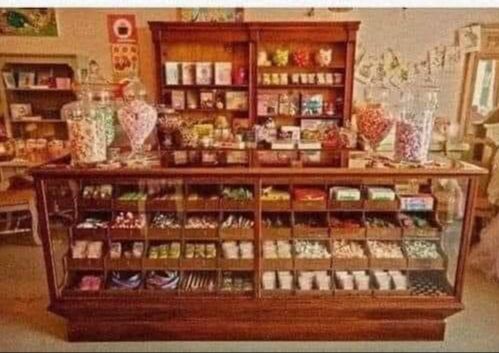
    And still—there were escapes. There was the dirt hill with Ann, where we ramped our bikes until our legs burned, trying to stay gone long enough to avoid the weight of the house. There was the penny candy shop, only a few blocks away, where a pocketful of change could buy a meal’s worth of sugar. On those days, a bag of candy was enough to feel full, enough to feel like joy.

    But the chaos always found its way back. I remember being woken in the middle of the night, Mom dragging us from bed as she fought with my Step-Dad. She loaded us into the minivan and drove us across town to my step-grandparents’ house, where we’d be left for days. I remember my sister Brittney being bitten by the neighbor’s dog, blood running down her arm, but no hospital trip to follow.

    If there was a gentler side of childhood, it was in my step-grandma’s garden. She’d place a trowel in my hand, guiding me through the rows of vegetables and flowers, her voice soft and steady. “You will never be hungry if you grow your own food. You will never lack beauty in your life if you grow your own flowers.” Those words planted themselves deep inside me, stronger than any punishment.

    When we moved away, she pressed her phone number into my hand, telling me I could call her collect anytime. I’d sneak out to pay phones, clutching the receiver, her voice carrying me through the hardest days. Of course, when Mom discovered the secret, the phone itself became the weapon. The beatings hurt, but they never stole the memory of those calls. They never erased the lifeline I had found in her.

    So when I look back now, childhood is a strange mix of bruises and sugar, of screaming and dirt hills, of gardens and fear. It’s not all darkness, and it’s not all light. It’s both. And in those fragments—in the penny candy and the bruises, in the dirt hills and the gardens—I see the pieces that made me.

    Those pieces are why I can still find joy in small things. Why I plant flowers now, even when life feels heavy. Why I laugh with my kids when they come home with pockets full of candy. My childhood may have been broken, but it taught me how to gather up the fragments, how to hold on to beauty even in the middle of pain. And maybe that’s what resilience really is: learning how to grow something beautiful from the roughest soil.

  • Tears of Joy Reflection
    Daily writing prompt
    What brings a tear of joy to your eye?

    When was the last time I cried tears of joy? Honestly, I’m not sure I ever have. You read about it in books, you see it in movies — people weeping with happiness as if it’s a normal Tuesday occurrence. But me? Not so much. Maybe it’s because I’m what some would call an “Unfeeling Aquarius.” (Yes, I’ve heard that one before.) I tend to look at things with a sense of detachment.

    It’s not that I don’t get excited. I do! I just don’t get weepy excited. My version of joy is usually more like: “That was awesome… now what’s next?”

    I read a blog today where the writer was talking about mental health and the importance of taking days off. And you know what? They’re right — but the reality is, not everyone can. I work in sales. Which means I’m not clocking in and out and getting paid for time logged. I don’t get to “make up” hours later. If I miss a day, I miss the chance to sell. And some days, it’s a cruel joke: the day you actually take off ends up being amazing for sales, and then the day you work extra… total dud. Fun, right?

    And yes, I am a mom. You’d think that’s where the tears of joy would roll in, right? But nope. When my kids were born, I cried alright — but those were tears of pain. Pushing, backaches, meds not hooked up in time, and the joy of delivering naturally by force (zero stars, do not recommend). But tears of happiness? Didn’t happen. Don’t get me wrong — I adore my kids. I’d do it all over again in a heartbeat if it meant I’d get the same little humans. But my crying moments come from sadness, frustration, or anger — not joy.

    And listen, it’s not like I’m some overly miserable person, because I’m not. Maybe I’m just tired. Maybe the way life has painted my canvas means I haven’t learned how to fully soak in those over-the-top, happy-cry moments. Therapy helps some, but in other ways it just feels like layering more onto my mind day after day. I know working through the past matters — I don’t want to repeat it. My siblings and I even have a little mantra: “What would Mom do?” Think about it, then do the exact opposite. That probably tells you enough about how bleak our childhood was. Some days, our safety depended on something as small as the way the front door was shut.

    I know I’m not alone. A lot of kids from my generation lived through hard things, so I don’t want to diminish anyone else’s experience. But I’ll be honest: as a kid, I read A Child Called ‘It’ and thought, I’d trade places with him. That’s a horrifying thought for a child to have, but it says everything about where my mental state was back then.

    Some days now, it’s harder than it should be not to snap at my kids and tell them to just “figure it out.” Or I catch myself thinking, ugh, I’ve ruined them by spoiling them. But then I can’t help but smile — because I can spoil my kids. I can give them all the little and big things I never had. Who would have thought that something as basic as proper medical care could feel like such a gift?

    My older sister almost died once because she didn’t get it. I remember her pale face, the wheezing breaths, the barking cough, the lips turned white. I remember thinking, why can’t Mom see this? A school nurse finally stepped in and sent her to a doctor — and my sister got punished for it later. That’s the kind of “normal” we grew up with.

    It’s also how I lost a good bit of hearing in my left ear. I got sick and never received the care I needed. And maybe that’s why “tears of joy” don’t feel familiar to me. Because I grew up suppressing emotions, taught to be seen and not heard… or honestly, just not seen at all.

    So no, I may not cry tears of joy. But I smile when my kids ask me for extras without fear. I exhale knowing they’ll never have to question a doctor’s visit. I take comfort that they will never know true hunger, or the kind of fear I carried daily. And maybe that’s my version of joy — not loud or dramatic, but steady, healing, and quietly defiant of the past I came from.

    And honestly? That’s enough.

    Until then, keep the coffee hot and the chaos managed. ☕✨