The Overbooked Life

Because balance is a myth, but coffee is real.

  • As a customer, how many stars are you rated?
    ⭐ The Secret Life of Customer Service Workers (And Why Some Folks Need a Reality Check)

    I’ve been working in customer service for over thirty years. Three decades of smiling, nodding, guiding, explaining, soothing, redirecting, and occasionally resisting the urge to scream into the nearest pillow.

    Don’t get me wrong—I like working with the public. I really do. But it drains me like a phone stuck on 3% battery. After spending hours in an enclosed space “peopling,” I go home with absolutely zero desire to people any further. My social meter is tapped out.

    On my off time? I prefer small, controlled doses of humanity—one or two people at a time, short bursts, nothing chaotic. Anything more feels like emotional cardio.

    ⭐ What Most People Don’t Understand About Customer‑Facing Jobs

    After all these years, I’ve learned something important: Most people have no idea what it’s like to work with the general public every single day.

    I work on commission-based pay, which means yes—my job is literally to talk to people. To greet them. To guide them. To help them. To make sure they don’t wander around a giant store like a confused Sims character.

    Honestly? I think everyone should be required to work a commission-based, public-facing job for one year of their lives. Just one. A rite of passage. A societal requirement. A crash course in empathy.

    Maybe then people would understand what it’s like to have your income tied to the moods, manners, and whims of strangers.

    ⭐ The Black Mirror Connection

    If you’ve ever seen the Black Mirror episode “Nosedive”—Season 3, Episode 1—you know exactly where I’m going with this. If you haven’t, here’s the quick version:

    Everyone rates everyone else with a five‑star system. Your rating determines your job, your housing, your opportunities, your social status—your entire life.

    It’s terrifying because it’s not that far‑fetched.

    And here’s the kicker: Customer service workers already live in a mini version of that world.

    A few clicks on Google and suddenly you’re either a superstar or a villain. A glowing review can make your day. A nasty one can tank your reputation.

    Now imagine if we could rate customers back.

    ⭐ What If Salespeople Could Rate Customers?

    Picture this: You walk into a store. You’re rude, dismissive, condescending, or downright hostile. And the salesperson gets to tap a little button and give you a 1‑star rating.

    Suddenly, your behavior has consequences. Suddenly, you can’t stroll into specialty shops acting like the main character in a bad reality show.

    Because here’s the truth: People behave badly when they know nothing will happen to them.

    ⭐ A Real‑Life Example From My Store

    Someone walked into my store recently—clearly shopping around, clearly expecting to be ignored. But here’s the thing: in mattress and furniture stores, we have to greet you. We get in trouble if we don’t.

    So when someone snaps or rolls their eyes or acts offended that we dared to say hello… it’s frustrating. We’re literally doing our job.

    Most people walk in and say:

    • “We’re just looking.”

    Totally fine. But here’s what happens next:

    • “That’s great! What are you looking for today?”
    • “Wonderful—may I help you find the style you’re interested in?”
    • “Most people are just looking. What project are you working on?”

    These aren’t intrusive questions. They’re required questions. They’re also meant to save you time.

    Department stores are huge. We know where everything is. We know what’s in stock. We know what’s on sale (including discounts that aren’t posted).

    If you shut us down immediately, you lose access to all of that.

    ⭐ Actual Things Customers Have Said to Me

    These are real quotes:

    • “I said I’m just looking.” → Most salespeople won’t come back. Not because we’re petty, but because we’re short‑staffed and you made it clear you don’t want help.
    • “I don’t need you.” → You just lost every discount you didn’t know existed.
    • “Stop bugging me.” → Cool. I’ll go back to my desk and wait for the inevitable nasty Google review.

    And here’s the fun part: Those reviews? They’re checked against camera footage. We see what actually happened.

    Another fun part? Customers earn reputations too. If you’re consistently rude, people will avoid you. No one wants to deal with the A‑hole.

    ⭐ How to Politely Get Space (Without Losing All the Perks)

    There is a golden phrase that gets you privacy and keeps the salesperson on your side:

    “I’m just looking. Can I get your name again so I can find you if I have questions? Thank you so much.”

    Boom. Respectful. Clear. Helpful. You get space. We stay available. Everyone wins.

    ⭐ Imagine a World Where Customers Were Rated Too

    If salespeople could rate customers the way customers rate us, some folks would never get help again. And honestly? Maybe that would finally teach people to treat workers like human beings.

    ⭐ That’s My Rant for Today

    Until next time— keep the coffee hot and the chaos manageable.
  • The Echoes That Guided Me Forward

    In our lives, we come across things that make us pause — little phrases or sayings that lodge themselves somewhere deep and refuse to leave. They become brain worms in the best way, looping in the background of our days. When I saw today’s prompt, I couldn’t think of just one. I use so many of them without even realizing it, so I figured it wouldn’t hurt to share a few.

    When I was younger, there was an older couple who lived about a fifteen‑minute walk from us — down the gravel road, across a field, tucked into a life that felt steady in a way mine wasn’t. The Shlanskis. They treated us like we were their grandchildren, no questions asked. Anytime they saw us, they fed us, laughed with us, and let us hide out when the weather turned nasty. And where I lived, heavy rain and bad snow were just another Thursday.

    Mrs. Shlanski had a saying she used often: “Manners cost us nothing, so spend them freely.”

    As an adult, I hear her voice slip out of my own mouth more than I ever expected. When one of my kids snaps at a sibling. When someone is rude to someone else in front of me. When I’m tired and tempted to be short myself. Her words show up like a gentle tap on the shoulder.

    And yes — I can already hear a few of you thinking, “Well, being rude costs nothing too.” Technically, sure. But here’s the thing: rude people get helped a lot less often. A baseline of kindness opens doors that rudeness slams shut. Manners don’t make you perfect, but they make you easier to root for. And in a world that’s already loud and sharp around the edges, being someone who chooses softness is its own kind of strength.

    Sometimes the smallest phrases are the ones that stay with us the longest. Sometimes they become the compass we didn’t know we were carrying.

    Stepping forward several years, other turns of phrase managed to imprint themselves on me — the kind that sneak into your vocabulary without you noticing. Sometimes I even hear them come out of my kids’ mouths, which I won’t lie, makes me smile just a little. Whether they’re quoting old TV shows we watched together or tossing out a casual “peachy keen” the way I do, it’s funny how language becomes a kind of inheritance.

    But the next phrase that stuck with me arrived during a very specific moment — the first time I felt the sting of real betrayal. Someone I was dating had cheated on me, and I had just discovered Jane Austen. And of course, in those delicate young years, I latched onto a line that almost needs no introduction:

    “My good opinion once lost, is lost forever.”

    Good old brooding Mr. Darcy. Maybe it was a sign of the type of books — and men — I’d gravitate toward in the years to come. You can laugh; I did while writing this. But that phrase morphed into something that stayed with me long after the heartbreak faded. When people harmed me, I didn’t hate them. Just like Darcy didn’t. I simply stopped going out of my way for them.

    That idea eventually bled into another phrase I learned from my oldest sister:

    “I don’t hate you. I’m indifferent to you. Hate would mean I had to care on some level.”

    Harsh, yes. But it stuck because it was true. I learned not to pour energy into people who didn’t matter, and not to let negativity take up space in my head. Indifference, I realized, is sometimes the most peaceful boundary you can set.

    And honestly? Life became a lot lighter once I stopped carrying people who weren’t meant to be carried.

    Which brings me to the last few quotes that really enriched my life. Looking back over them now, I can actually see the shape of my own growth — how each phrase met me at a different version of myself and left something behind.

    “Positive thoughts, positive outcomes.” paired with “This too shall pass.”

    Those two together carried me through some of the hardest seasons of my life. Times when everything felt heavy: almost losing homes, divorce, health scares. Whenever things bogged down, those phrases rose to the surface like little life rafts. Sometimes they came to me even when it hurt to use them — when the situation was so dark that optimism felt like a lie I was trying to tell myself.

    One of those moments was when my biological father had a grand mal seizure. Positive thoughts didn’t bring positive outcomes that day. So “This too shall pass” took over, living rent‑free in my mind.

    I think that phrase became my anchor because of everything happening around me — a sister who had no emotional control at the time, and another who was so distant it felt like she didn’t care at all. I was standing in the middle of two extremes, trying to keep myself steady while the ground shifted under all of us.

    That moment didn’t feel like something to live through. It felt like something to simply get past.

    And sometimes, that’s all a person can do — hold onto the words that keep you moving until the moment finally passes.

    Looking back at all these phrases — the gentle ones, the sharp ones, the ones that held me together when everything else was falling apart — I can see the outline of who I became because of them. Each one arrived at the exact moment I needed it, even if I didn’t understand why at the time. They shaped how I parent, how I love, how I walk away, and how I keep going when life gets unbearably heavy.

    Maybe that’s the real magic of the words we carry. They don’t fix everything. They don’t shield us from loss or betrayal or fear. But they give us something to hold onto when our hands feel empty.

    “Manners cost us nothing.” “My good opinion once lost…” “I’m indifferent to you.” “Positive thoughts, positive outcomes.” “This too shall pass.”

    They’re not just quotes. They’re the breadcrumbs that led me through every version of myself — the child learning kindness, the teenager learning boundaries, the adult learning survival, and the woman learning peace.

    And maybe that’s why I keep them close. Not because they’re perfect, but because they remind me that I’ve lived through every hard thing I once thought I wouldn’t.

    And I’m still here. Still growing. Still learning new words to carry forward.

    Until next time, keep the coffee hot and the chaos manageable

  • The Sound of Silence
    Daily writing prompt
    What strategies do you use to cope with negative feelings?

    When Anger Turns Into Silence

    Some people explode when they’re angry. I disappear.

    Not physically — I’m still standing there, nodding, breathing, existing. But inside? Something shuts off. A switch flips. The lights go out in the emotional part of my brain, and suddenly I’m watching myself from somewhere far away.

    It took me years to understand why. It took even longer to admit it.

    This isn’t a guide on “how to manage anger” or “10 ways to calm down.” This is about what happens when anger has nowhere to go — when reacting honestly could cost you your job, your relationships, or your peace.

    It’s about what happens when you learn, from a young age, that the safest thing you can do is stop feeling at all.


    We all know that feeling — the heat rising in your chest, the shaking hands, the rush of anger that feels like it could blow the roof off your skull. For me, it hits hardest when someone accuses me of something I didn’t do. Lying. Cheating. Stealing. Twisting my words. Painting me as something I’m not.

    In those moments, every part of me wants to shout the truth so loud the walls shake. I want to shove the proof under their nose and make them see me clearly.

    But life doesn’t work that way.

    At work, you can’t explode without consequences. With people you care about, you risk breaking something you don’t want to lose. And sometimes, even when you’re right, reacting honestly can cost you more than staying quiet.

    So you swallow it. Again. And again.

    I’ve tried all the “calming tricks” people recommend. Counting down from ten? I get distracted halfway through. Walking away? Only works if you can actually walk away. Grounding yourself? Hard to do when the person causing the problem is still standing right there.

    There isn’t one magic fix. It’s a moment‑to‑moment battle. And honestly, sometimes I end up muttering under my breath like one of those characters in a movie who looks like they’re talking to ghosts.

    People laugh at that kind of character. But I get it.

    Because sometimes anger doesn’t come from the moment — it comes from the pattern.

    It comes from people who know exactly how to push your buttons. People who poke at your insecurities. People who dismiss your boundaries like they’re optional. People who seem to want a reaction out of you.

    And when you can’t react safely, you end up stuck in this awful loop — replaying conversations, stewing, feeling trapped inside your own skin.

    That trapped feeling? It’s real. And it’s heavy.

    And when I hit that point, I do something I’m not proud of.

    I detach.

    Not in a dramatic way. Not in a “storm out of the room” way. More like flipping a switch inside myself.

    Everything goes quiet. Not peaceful quiet — empty quiet.

    Sometimes it’s just me stuffing my feelings down because I don’t know what else to do. Sometimes it’s my whole system shutting down because it’s tired of being on high alert. I don’t yell. I don’t fight. I just… go cold. Or silent. And once I’m in that place, it’s hard to come back.

    Therapy helped me understand where this comes from. I grew up learning that emotions weren’t safe. That feeling too much could get me hurt. That staying small, quiet, or invisible was the safest option.

    So I learned to put my feelings in a box. Close the lid. Walk away from myself.

    And here’s the part that’s hardest to admit:

    Every time I detach, I lose a little piece of myself.

    Not forever — but enough that I feel the absence.

    It’s like turning off the pain also turns off the warmth. The spark. The softness. The intuition. The parts of me that make me me.

    I didn’t choose that. My body learned it. My childhood taught it. And survival always demands something in return.

    People call it different things — shutting down, going numb, disconnecting, fragmenting. But whatever the name, the truth is the same:

    It’s something I learned to survive a world that didn’t give me room to exist fully.

    And now, as an adult, I’m trying to learn how to exist again.

    The short of this is, sometimes counting works, sometimes walking away works. But sometimes…nothing works.
    At times I have to remind myself that ‘this too shall pass’ I repeat to myself ‘This is just one moment in a life span of many moments’
    And sometimes not even that brings me back from the depths of feeling frozen and detached.

    If this rings true for you, just know you are not broken. You are not alone.

    Until next time, keep the coffee hot and the chaos manageable.

  • Daily writing prompt
    Come up with a crazy business idea.

    I’ve always had a soft spot for dreaming up business ideas. Most of them were just playful riffs on things that already existed — like a bakery near a college campus that offered rotating treats from around the world. Fun, whimsical, and probably delicious… but after hurting my back, I realized long hours in a kitchen and the maze of food‑service permits weren’t exactly my destiny.

    And honestly, the world is shifting. More of our lives happen online. More of our creativity happens on screens. The idea of opening a traditional brick‑and‑mortar shop feels both nostalgic and a little outdated.

    But one idea keeps tugging at me.

    I want to open a place called The Writers Café.

    Not a typical café. Not an internet café. Something in between — and something more.

    Why This Idea Won’t Leave Me Alone

    I recently met a group of people who do stand‑up comedy. They’re passionate, talented, and eager to practice… but they have nowhere to go. Homes are too small or too loud. Renting space is expensive. Most places close too early for night‑owl creatives. Libraries are wonderful, but they’re not built for groups who need to talk, rehearse, laugh, or brainstorm.

    And it hit me: There are so many people who need space — not just Wi‑Fi.

    Writers. Students. Gamers. Podcasters. Improv groups. Creatives of every kind.

    People who want to gather, collaborate, and create… but don’t have a place to do it.

    So What Is The Writers Café?

    Imagine walking into a warm, cozy space. You order a drink or a snack, then head to a private room designed for whatever you’re working on.

    • A quiet room for writing or studying
    • A sound‑friendly room for improv or comedy practice
    • A table big enough for Dungeons & Dragons
    • A space for role‑play writers to collaborate
    • A room stocked with board games for a group hangout
    • A late‑night creative nook for people who can’t work at home

    Sure, internet cafés exist — but they’re mostly geared toward gamers. (Shoutout to the days when I’d go play Guild Wars because my computer couldn’t handle it.) But what if there was a place that wasn’t just about screens?

    What if it was about community?

    What if it was about creativity?

    What if it was about giving people a place to breathe, gather, and make things together?

    Why I Think This Could Actually Work

    Because people are lonely. Because people are creative. Because people need space — real, physical space — to connect.

    And because the world is full of writers, comedians, gamers, students, and dreamers who are just waiting for a place that feels like home.

    A place built for collaboration. A place open late. A place affordable enough to be accessible. A place that says, “Come in. Make something.”

    That’s the business idea I can’t shake. And honestly… maybe it’s not so crazy after all.

    What Do You Think?

    Would you go to a place like this? Would you use it for writing, gaming, studying, improv, or something else entirely?

    I’d love to hear what people would want in a space like The Writers Café — because the more I think about it, the more real it feels.

  • Daily writing prompt
    Do you spend more time thinking about the future or the past? Why?

    Most of us try not to linger too long in the past, but for some of us it hangs overhead like a stubborn cloud. I don’t love that so many of my posts circle back to the harder parts of my childhood, yet pretending they didn’t shape me would be dishonest. The past is part of who we are — whether we want it to be or not.

    Children who grow up with praise and encouragement tend to become adults who are open, responsive, and confident in their abilities. They develop intrinsic motivation, try again after failure, and internalize values. They trust adults more easily, communicate more freely, and build healthier social connections.

    Their counterparts — the children who grow up with yelling, criticism, or emotional neglect — often become more closed off. They learn to avoid risk, not because they lack ability, but because they fear punishment. They may give up sooner, attribute success to luck, and struggle with fragile self‑worth. Trusting others becomes harder. Forming secure attachments becomes a challenge.

    And whatever parenting pattern a child grows up with often becomes the one they unconsciously repeat. I’m not exempt from this. On days when I’m tired or short‑tempered, I catch myself yelling over things that don’t matter. I try not to dwell on the past, but it’s hard not to when I see echoes of it in my own reactions. Still, I take pride in knowing I’ve never reached the extremes of what I lived through.

    I’m trying to break the cycle of abuse — what many call generational trauma. It’s a broad term, because trauma takes many forms: emotional, physical, mental. Generational trauma describes how pain and patterns pass from one generation to the next through learned behaviors, family systems, and even biological stress responses. When a parent who was abused becomes an abuser, that specific pattern is often called the intergenerational cycle of abuse — a narrower, more precise piece of the larger picture.

    I don’t want my children to sit across from a therapist one day because of the way I raised them. And to be clear, there is nothing wrong with therapy — I’m in it myself. But my hope is that their childhood won’t be the central wound they spend their adulthood trying to heal. Breaking old habits is harder than it sounds, especially when the only model of motherhood you had was one shaped by fear.

    So yes, I think about the past a lot. I compare my mother’s reactions to my own and ask myself whether her way was the right way. Often, the answer is no. That doesn’t erase the things she did right — it just acknowledges that some of what I learned wasn’t healthy. In many ways, writing this blog is its own form of therapy.

    I was the child told to shut up and sit down. To be seen, not heard. I was smacked, insulted, and taught that invisibility was safety. Staying quiet meant staying out of the line of fire. That survival strategy followed me into adulthood.

    I still struggle to stand up for myself. My voice shakes when I use it. Public speaking feels like stepping into danger. Even being recorded doing my job sends me into panic. I’ve turned down promotions because the thought of being seen by a crowd makes my mind go blank and my body want to fold in on itself.

    I hide behind dark humor and excuses:

    “I don’t like how I look on camera.” “I teach better one‑on‑one.” “Large groups just aren’t my style.”

    The truth is simpler: being seen still feels unsafe.

    So here I am — a faceless name on a blog. Anonymous. Invisible. Safe.

    But my goal is to change that. To break the bonds that keep me small. To spend more time thinking about the future instead of reliving the past.

    And if any of this resonates with you, please know you’re not alone. I hope you find your voice, too.

    You deserve to be seen. You deserve to be heard. Your voice matters. You matter.

    Until next time, keep the coffee hot and the chaos manageable.

  • Daily writing prompt
    Describe a man who has positively impacted your life.

    We all carry stories written into us by the people we meet. Some of those stories are gentle, filled with love and encouragement. Others are sharp, carved by pain and hardship. Together, they shape the person we become.

    Most of us remember the positive influences more easily. We cling to the people who lifted us, encouraged us, and showed us love. But the negative ones leave their marks too—engraved into our cores in ways we can never fully erase.

    Some of the bad people we meet in our lives melt away in time, and their past actions are just that, echoing actions of the past. We grow past them and forget them. But a few remain. Etched into our beings like a knife nicking into bone. Carving a story that built us.

    For me, there are a few men who left those lasting marks: two of my exes, my first stepfather, and my biological father.

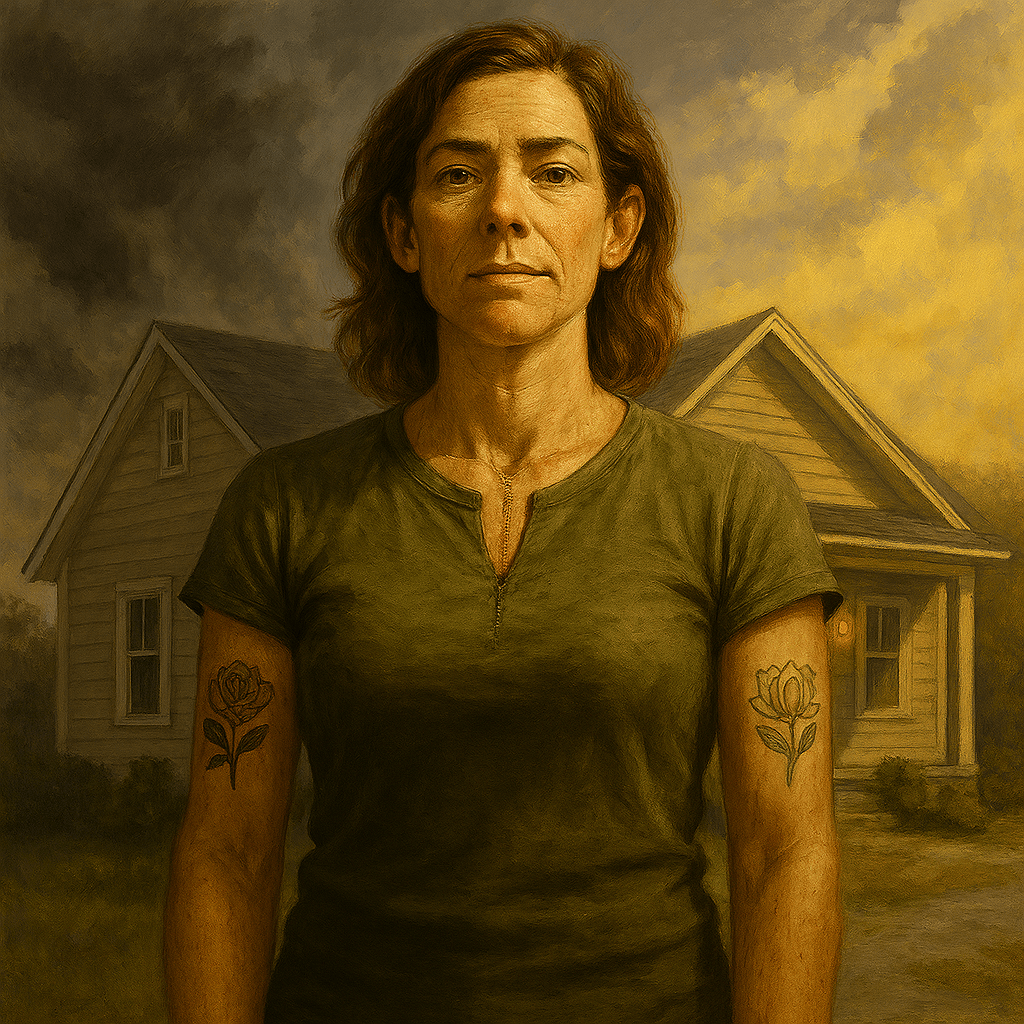
    Then there are many positive ones. They too etch themselves into our lives. Staining into our flesh like tattoos we are okay with showing off. My husband is one. My stepfather from my youth, though age and illness have changed him. A few of my past bosses. And even my young son.

    We all carry both good and bad marks. And strangely enough, even the bad can leave something useful behind—helping shape who we become.

    My father and my first stepfather were not good men. They were abusive—both physically, emotionally and mentally. For me, all forms of abuse cut the same. As painful as it is to admit, those experiences taught me to recognize the signs. As a child, I promised myself: I will never let myself be in that situation.

    Yet I found myself there again, with my oldest daughter’s father. Abuse doesn’t arrive suddenly; it creeps in, disguised as something else. If I hadn’t lived through the trauma of my father figures, and if I hadn’t seen what a good man could be like through my later stepfather, I might not have recognized it.

    My daughter’s father is not a bad man. He simply wasn’t good for me at that time. Today, he is a loving husband and father, and I’m glad for his happiness. Still, I carry anger from those years—the yelling, the things thrown, the fists in walls, and once even at me. Those moments were an eye-opener. Unlike my mother, I refused to stay. I had grown up hearing every dark tale she endured with my father, and I refused to repeat her steps.

    My first stepfather was emotionally abusive and physically abusive toward my sister and me, though never toward my mother. Those years are etched more strongly in my memory than my biological father.

    My first husband was not physically violent to me, but he was emotionally abusive. And when my first stepfather began cheating on my mother, I saw echoes of those same behaviors in the man I married. You read about these patterns, but until you’ve lived through them, you don’t always recognize them in your own life. The violent arguments and the heavy silences carried over into my marriage.

    He was quick to deflect blame, pointing fingers at me. To my dismay, my sisters believed him. They thought I had been dishonest, and no amount of truth could change their minds. His new wife even echoed those lies to my daughter. And when the marriage ended, I lost everything in the divorce. He took it all, leaving me to rebuild from nothing. That loss became a turning point—the lowest valley I had to climb out of.

    When my daughter later asked me about it, I refused to answer—at first. But as she grew older, the truth surfaced. She remembered the woman herself, remembered the things she said. My daughter had lived that reality alongside me, even if she didn’t understand it at the time.

    I know those experiences left a mark on her, just as mine did on me. I wish she hadn’t had to carry that burden. But those negatives, those painful memories, shaped me. They taught me what a good life and a good man should look like.

    And beyond the men in my life, instability itself carved its mark. I grew up moving constantly—thirteen different school districts, not just schools, but districts. My parents couldn’t hold jobs or pay bills, and that chaos shaped my childhood. It hurt my grades, disrupted my ability to learn, and left me without the stability every child deserves. My mother never owned a house, and that fact weighed heavily on me.

    That’s why purchasing my own home was more than just buying a house—it was breaking a cycle. It was claiming stability I never had and proving to myself that I could build something permanent. Because of what I experienced in my divorce, I made the decision not to put my husband on the loan. It was a way to protect myself, to ensure I would never lose everything again. Yet I also left it so that if something happened to me, he could take over the loan, and the house would be his. It was both protection and love—born from scars but shaped into security.

    As a parent, I strive to give my children what I lacked: a steady place to grow, a safe foundation. When I tried to go to college, I had no support. I had to choose work over school, time and time again. So now, I make sure my kids have a home where they can live free while they study, so they can finish if they choose to.

    People often say today’s kids have it easier because we had it harder. But I believe any good parent wants better for their children than what they had. My parents didn’t give me that, and maybe that’s why I fight so hard to ensure my children never know what it’s like to go without.

    I still suffer from the pains of the past, but I reflect on them often. They helped me grow into the independent woman I am today. There’s truth in the saying, “What doesn’t kill you gives you unhealthy coping mechanisms.” It scars you, carves into you, and forces you to learn. I don’t recommend it if you can avoid it. But for those who have lived through it—know this: better days are possible.

    We all carry scars and tattoos, etched into us by the people who’ve crossed our paths. Some marks we hide, others we show proudly. But together, they tell the story of survival, growth, and resilience. My house is one of those tattoos—a mark I’m proud to show off. It represents stability, protection, and love, built from the lessons of my past. If you carry scars, know that they don’t define you—they remind you of your strength. And if you carry tattoos of love, let them shine. Because in the end, both the pain and the joy carve us into who we are meant to be.

    Until next time, keep the coffee strong and the chaos manageable.

  • Working in commission sales means living in a world where money is always on your mind. Not just the money itself, but how your sales are written, who gets credit, and whether someone might claim them when you’re off. It’s a constant balancing act, and sometimes it makes even taking a day off feel risky.

    I’ve been in sales like this for 15 years. That might sound dark and stressful to some, but I’ll be honest—I’ll never work another line of work again. I love what I do. But let’s be real—some days will still push you to your limits. And it’s often those days, the ones that test your patience and resilience, that leave the deepest impressions.

    Like the night a couple wandered in after a massive snowstorm…

    The Couple After the Snowstorm

    I was working alone when they came in. The man casually mentioned, “I called yesterday to see what you carry.”

    I did the usual thing—asked who he spoke with. He didn’t remember. I pressed just a little further: “Do you remember if it was male or female?”

    Here’s why that mattered: I’m a woman, and in our shop there’s only one male who works the floor. If the customer had even remembered the gender of the person he spoke with, I could have narrowed it down a little. We have 4 others who work in the shop besides me and my male co-worker, my thought was if he could say if it was male or female, I could maybe pinpoint a little easier who got them in the store. But he couldn’t. He had no idea.

    And in our shop, we’re not supposed to dig too deep. We don’t push. Sometimes people don’t want to work with the same person again, and that’s fine. Asking that extra question was already a stretch. However, I believe in fairness and try to ensure I support my co-workers as much as I can.

    While they tested the product, I did some digging. I even called a manager to help. In our store, we document every interaction—phone calls, walk-ins, everything. It’s accountability. It helps us remember what was said and ensures coworkers can pick up where we left off.

    So, I did what we always do. I found what they needed. I taught them about the product. I explained why they liked what they did and why the mattresses they didn’t like didn’t work well for them. I spent three hours with them—one of those hours past closing. They left happy. I left happy.

    The Missing Notes

    While they tested the product, I did some digging. I even called a manager to help. In our store, we document every interaction—phone calls, walk-ins, everything. It’s accountability. It helps us remember what was said and ensures coworkers can pick up where we left off.

    But we found nothing. No notes. No record of a call. No trace of this couple at all.

    I wrote up the ticket—nearly $9,000.

    The next day, on my day off, I got a text: “That was my couple.”

    The Sit-Down

    I spent the whole day stressed. When I spoke with my boss, she agreed—there was no documentation to support his claim. Nothing.

    Days later, the sit-down in the office came.

    I explained everything. I even offered to give him 50% of the ticket since he had texted the guy. He wasn’t happy. He accused me of twisting things, hinting I was lying. My manager knew I wasn’t. She had been there. She had helped me look. He had failed to do his job.

    This wasn’t new. He is known for not doing the job in the fullest. This coworker had a reputation for taking parts of tickets he shouldn’t, costing another coworker over $50,000 in sales by putting them under his own name. And now he was accusing me of dishonesty.

    That’s what burns the most—being hinted at as a liar. I work hard to be honest. Fair, even to the point it costs me. And now this. It hurts. I thought this guy was my friend.

    When Money Is on the Table

    I suppose when money is on the table, no one is your friend. His angry rants accused me of bending policy, demanded half of my other tickets, and so much more. I sat there, almost in tears, shocked at who this person turned out to be.

    Exchanges and reselections in our store are always a touchy subject. The rule is simple: if you take part of the new sale, you take equal parts of the return. If you take the whole ticket, you take the full return. If you double the ticket, you take half the hit. It’s a “do no harm” policy—everyone’s income is protected.

    But he had failed to follow this with another coworker. And when he accused me of stealing, twisting the truth, I snapped.

    Breaking Point

    “Pot, meet kettle,” I said. “Are we just saying whatever we feel like at this point?”

    My manager waved her hand for me to continue. And I did.

    This guy never stays in our area like he should. He never supports me on busy days. He’s always wandering, smoking, or distracted. Meanwhile, I’m left handling four or five guests at a time alone. That sets off my anxiety. I built this shop’s reputation on care and respect.

    Watching him take from another coworker, then complain that I had better sales or was cherry-picking—when he wasn’t even in the area to talk to guests—was too much.

    “You’ve been stealing from [coworker] for two and a half months. Over $50,000 of your sales are his. I don’t think you have what it takes to make it in this department. You’re running short on his reselections, so now you’re digging into mine, crying foul when you failed to do the basics of your job.”

    My boss agreed. She supported me. But I was still kind—I split the ticket.

    The damage, though, was done.

    The Fallout

    There’s a rift now. Things will never be lighthearted between us again. I can’t trust him. He flat-out said I wasn’t trustworthy. That stings. I trained him. I helped him close deals he would have lost. I asked nothing in return.

    And now I feel punished for following rules he chose not to follow.

    Was it fair? No. Was it kind? No. Was it honest? Yes. 100%.

    Reflection

    Commission sales are a battlefield. It’s not just about products—it’s about integrity, trust, and the fragile balance between coworkers. I love what I do, but moments like this remind me that the hardest part of sales isn’t the customer. It’s the people you work beside.

    And sometimes, the cost of honesty is heavier than the commission itself.

    If you work in commission sales—or any competitive environment—remember this: documentation matters, integrity matters, and protecting your reputation matters. You can’t control how others act, but you can control how you respond. Stay fair, stay honest, and don’t let someone else’s shortcuts define your worth.

  • Glitter in the Crayola Box: How One Job Changed Everything
    Daily writing prompt
    Tell us about your first day at something — school, work, as a parent, etc.

    We all take that first step to learn something new several times in our lives. Usually, it’s something small — a new recipe, a new hobby, maybe even a new hairstyle we instantly regret. But every once in a while, that “something new” doesn’t just add a chapter to your story. It rewrites the whole book.

    I’ve been in my job for over 15 years now. No fancy college degree required — just a high school diploma and a stubborn streak. If you haven’t read my blog before, you might already be guessing: food industry, retail, Walmart, maybe something like that. And you’d be half right. I’ve done those jobs. There’s nothing wrong with them — in fact, they taught me grit. But the job I do now? It’s not flipping burgers or stocking shelves.

    I sell furnishings. Mostly mattresses. Yep, I’m the person convincing you that yes, you really do need to spend more on the thing you’ll spend a third of your life lying on. And today’s topic made me nostalgic, because the way I landed this career was anything but ordinary.

    🚶 The Walk That Changed My Life

    Picture this: I was 25, a single mom with three kids, roommates who thought rent was optional, and a car that had decided to retire early. My transportation was a mix of buses and sneakers. I’d just left a job as a payday loan officer (spoiler: daycare cost more than my paycheck), and I was applying everywhere — food places, gas stations, K‑Mart (yes, it was still alive back then), Target, Walmart, hotels. You name it, I tried.

    But no one was hiring. It was 2010, right after the Great Recession, and the job market was tighter than my budget.

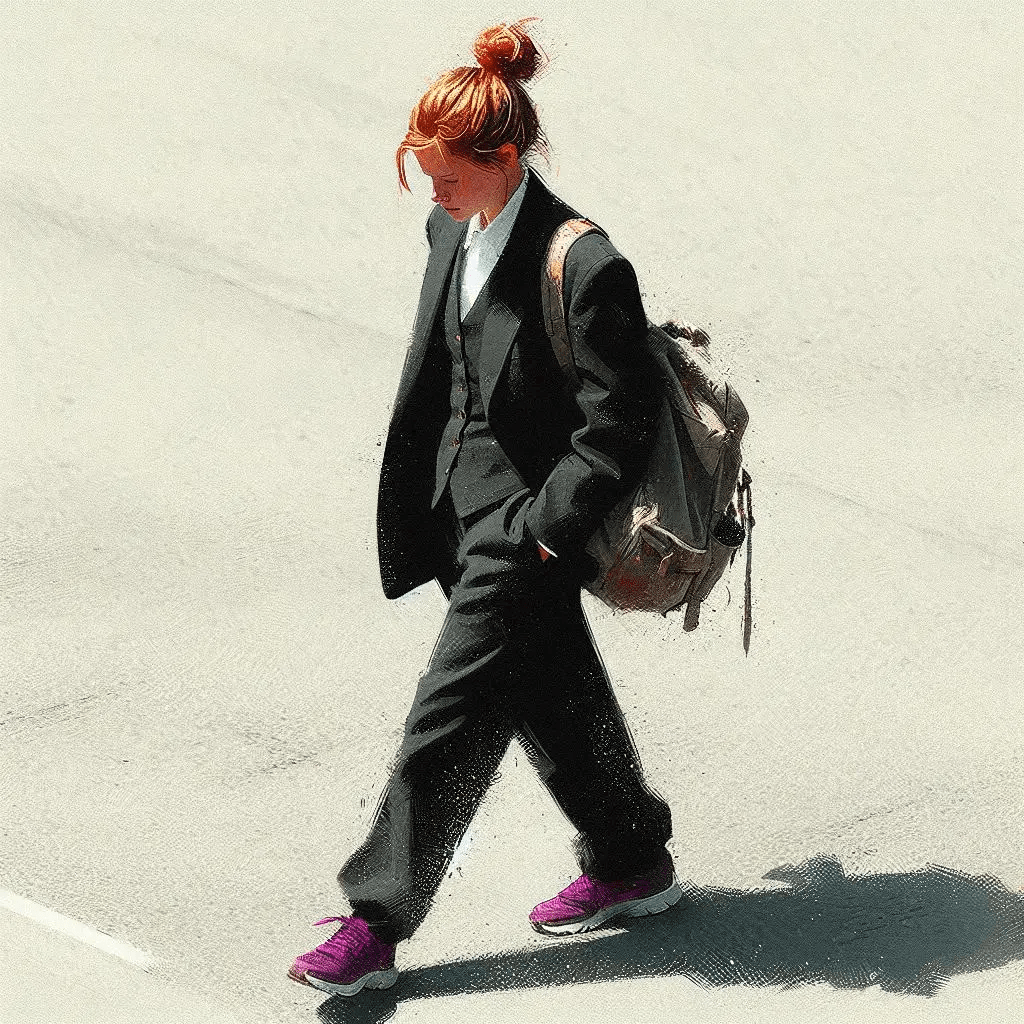
    So there I was, walking through a strip mall parking lot in the blazing sun. My hair was in a sensible bun, I had on a black suit coat, white shirt, vest, and slacks. My secret weapon? A bag with dress shoes tucked inside, because walking in heels is basically medieval torture.

    I spotted a furniture store. Honestly, I only went in for the air conditioning. But the woman at the door saw how I was dressed and asked if I was there to apply. “Sure,” I said, because why not?

    I filled out the paper application (remember those?) and handed it to the man behind the counter, who didn’t even look up. That annoyed me. So I reached out my hand, forced him to meet my eyes, and said, “Thank you for your time.” He shook my hand, probably out of reflex. I walked away thinking, Well, that was pointless.

    Halfway down the store, he came running after me. “Do you have time for an interview right now?”

    🎨 The Glitter Moment

    Two days later, I was in a group interview with ten other people. At the end, we had to answer the classic “Crayola color” question: If you were a color, what would you be and why?

    Everyone else gave safe answers. Blue for calm, red for vibrant, yellow for cheerful. My turn came, and I said the first thing that popped into my head:

    “Glitter.”

    The room went silent. The interviewer looked at me like I’d just confessed to being a unicorn. “Why?” he asked.

    My answer: “Someone who sees themselves as blue needs a blue to help them. A red needs a red. A yellow needs a yellow. You can’t identify as one color or one mood set when helping people in customer service. You have to be every single color at any given moment so the people you work with are comfortable with you.”

    That answer got me the job. Sometimes being different isn’t just good — it’s the thing that sets you apart.

    💡 Building Blocks

    The first year was terrifying. I felt out of my depth, constantly worried I’d mess up. But I had mentors who showed me how to improve, and I treated every piece of advice like a building block. Slowly, I built a foundation.

    Four, almost five years at that company taught me the value of my time, my effort, and my confidence. And 15 years later, I can say with certainty: I’ll never go back to hourly jobs again.

    🏡 What Sales Gave Me

    Funny thing is, I never studied sales. I went to school for networking (computers), culinary arts, psychology. But sales? Never crossed my mind. Yet that random choice to step into a furniture store changed everything.

    It took me from scraping by — worrying about rent, food, and broken cars — to buying a reliable car, living without roommates, moving into nicer apartments, and eventually buying my own home. Things I never thought someone like me could have, let alone keep.

    ✨ The Takeaway

    Sometimes the biggest changes come from the smallest decisions. For me, it was stepping out of the heat into a furniture store I never planned to enter. For you, it might be something else entirely. But here’s the lesson: don’t underestimate the power of glitter.

    Looking back, it’s wild to think that one random decision — stepping into a furniture store for a blast of air conditioning — ended up changing the entire course of my life. What started as desperation turned into opportunity, and what felt like a small choice became the foundation for everything that followed: stability, growth, and even a little glitter.

    I didn’t plan for this career. I didn’t study for it. But sometimes the best things in life aren’t planned — they’re stumbled into, embraced, and built upon one step at a time.

    So here’s my message to you: never underestimate the power of showing up, shaking a hand, or giving an answer that makes people stop and think. You don’t have to be the “perfect candidate” or have the “perfect plan.” You just have to be willing to take that first step, even when it feels scary or pointless.

    Because sometimes, the smallest choices — the ones you almost overlook — are the ones that change everything. For me, it was glitter. For you, it might be something else entirely.

    Step into the unknown. Say yes to the unexpected. And remember: your next chapter might be waiting behind a door you weren’t even planning to open.

    Until next time, keep the chaos manageable, and the coffee hot.

  • Growing up, it’s strange the things that end up living rent-free in our minds. These little memories echo at the most unexpected moments, triggered by who knows what. We never know which moments will become the core memories that shape us—or which ones we’ll unknowingly create for our own children.

    As adults, we carry those echoes with us. They help define us just as our youth once shaped who we’ve become. But growing doesn’t stop when childhood ends. We’re always changing, always absorbing, always being reshaped by what we experience each day.

    Still, I find myself pausing on the ways the past lingers in who we are now. If you’ve been reading my blog for a while, you already know a few things about me. I have PTSD, anxiety, and depression. Yes, I know—so many people these days carry similar labels. Most days I function just fine with them. I don’t wear them like a badge; I don’t announce them in my daily life. Honestly, it’s only here—behind the safety of anonymity—that I talk about the childhood moments that carved them into me. There’s comfort in being unknown, yet still able to speak.

    In some ways, I share more with this blank page than I do in therapy. Some people are talkers. Others (and I firmly fall into this group) are writers.

    So let’s take a step back into those depths for just a moment. I won’t bore you with an entire history—just one detail.

    My mother has never told me she’s proud of me.

    Not once. And somewhere along the way, I realized that my adult life has quietly revolved around chasing that one thing. Over and over. Waiting to hear her say I’ve done a good job. That I’m worth her time. Every kind thing I do for her seems to return in some form of backlash.

    But still, I chase it.
    Somewhere inside me, a little girl still tugs at her mother’s sleeve and asks, “Are you proud of me?”

    And in chasing it, I become the victim of my own longing. I set boundaries, I swear I’ll keep them, I promise myself I won’t cross the line again. I remind myself of the pattern: the gratitude that never comes, the kindness twisted into a weapon.

    And yet—I cross it anyway. Every time.

    The phrase “No good deed goes unpunished” has never felt more accurate. Those who try to help end up hurting for it.

    And I am punished, again and again.

    Last night, I walked right back into it. My mother has been going on about her broken car, dropping hints about needing help. I didn’t offer. She never directly asked. Then she let my stepfather “fix” it, he made it worse, and she ended up selling it to a junkyard for $289.

    She called me nonstop that day, crying about how no one understands her, how no one gives her a chance.

    I gently suggested she consider a job—there’s a good bus system, or even work-from-home options.
    She immediately told me I wasn’t listening. She can’t work because she can’t get around.

    I offered to drive her.
    Another roadblock: she wouldn’t be able to get to work once hired.
    Then came the real truth—“I will not work with other people. I just want to do DoorDash.”

    My inner voice slipped out before I could catch it:
    “And how will you do that now that you don’t have a car?”

    I should have known.
    I should have seen the setup. But I stepped right into it.

    The conversation went something like this:

    Mom: “Well, I need a car first.”
    Me: “To get one, you’ll need money. How are you planning that?”
    Mom: “Your sister said you know a car guy.”
    Me: “I do. But you still need income.”
    Mom: “I have income. So does —(insert stepdad’s name)—.”
    Me: “Do you have decent credit?”
    Mom: “My credit is none of your business.”

    And honestly, she’s right. It isn’t.

    Still, I connected them with my car guy. I drove them an hour and a half there. Only to find out they had zero credit. They turned and looked at me—and I should have recognized the stare. I sold cars once. I know that look.

    Mom: “My daughter will co-sign.”

    Those four words… they dropped like weights.
    And I dropped with them.

    I co-signed. I wasn’t ready. I felt blindsided, taken advantage of, small again in that familiar way I hate.

    And now, once more, a part of me waits—hopes—to hear something simple.

    “I’m proud of you.”
    Or even just, “Thank you.”

    But the echo is silence.

    I know there will be consequences later. There always are. But this time, I at least protected myself a bit. I kept the second key to the SUV. I made sure the payments were ones I could cover if I had to.

    They were upset they didn’t get a nicer car. My car guy understood the situation, though, and he helped me find the safest option.

    And here I am again—realizing I am, in many ways, a victim of my own making.

    I see it.
    I know it.
    I feel it every time I hand over another piece of myself, hoping this time—maybe this time—it will finally be enough.

    Because beneath all the logic, beneath the boundaries I swear I’ll uphold, beneath the adult who knows better… there is still a child standing in a doorway, hands clasped, waiting for a mother who never turns toward her.

    That small version of me still aches for the words I’ve never heard.
    Still reaches for something that never comes.
    Still believes that if I just do this one more thing, if I give a little more, help a little more, bend a little further… maybe she’ll finally say it.

    “I’m proud of you.”

    But she doesn’t.
    She won’t.
    And yet—I keep trying. I keep handing over parts of my heart like offerings to a god who has never answered a single prayer.

    Last night, when I signed those papers, I felt that ache crack open again. Not just the frustration or the exhaustion—but the oldest wound. The one that whispers, maybe now she’ll see me. Maybe now she’ll care. Maybe now she’ll love me in the way I needed all along.

    And the cruelest part is… I know better. I know the cycle. I know what comes next. I know the pattern so well I could recite it in my sleep.

    But knowing doesn’t stop the wanting.

    So I sit with it—the hollow space where her pride should have lived. I feel it throb in my chest, the way absence sometimes hurts more than anything present ever could.

    I’m angry with myself.
    I’m angry with her.
    I’m angry with this endless loop I can’t seem to break.

    And beneath all that anger… I’m just tired.

    Tired of hoping.
    Tired of reaching.
    Tired of loving someone who only knows how to take.

    Maybe someday I’ll finally stop chasing her shadow. Maybe someday that little girl inside me will understand that the words she’s waiting for aren’t coming.

    But tonight?
    Tonight I still feel the weight of them.
    Tonight I still want what I’ve wanted my whole life.

    To hear her say she’s proud of me.
    To hear she sees me.
    To hear anything that sounds like love.

    Even if it’s only once.
    Even if it’s only a whisper.
    Even if it comes far too late.

    Because wanting it—needing it—doesn’t make me weak.
    It just makes me human.

    Until next time, my dear readers, keep the coffee hot and the chaos manageable.

  • Daily writing prompt
    Do you need time?

    Do You Need Time?

    by The Overbooked Life

    That question—it’s a heavy one.

    But it’s also the very heartbeat of this blog, The Overbooked Life. The name alone says it all: yes, I need time. Probably more than I’m willing to admit.

    But time for what, exactly?

    More time? Less time? Can we even control that? Could I steal time from one part of my day and give it to another?

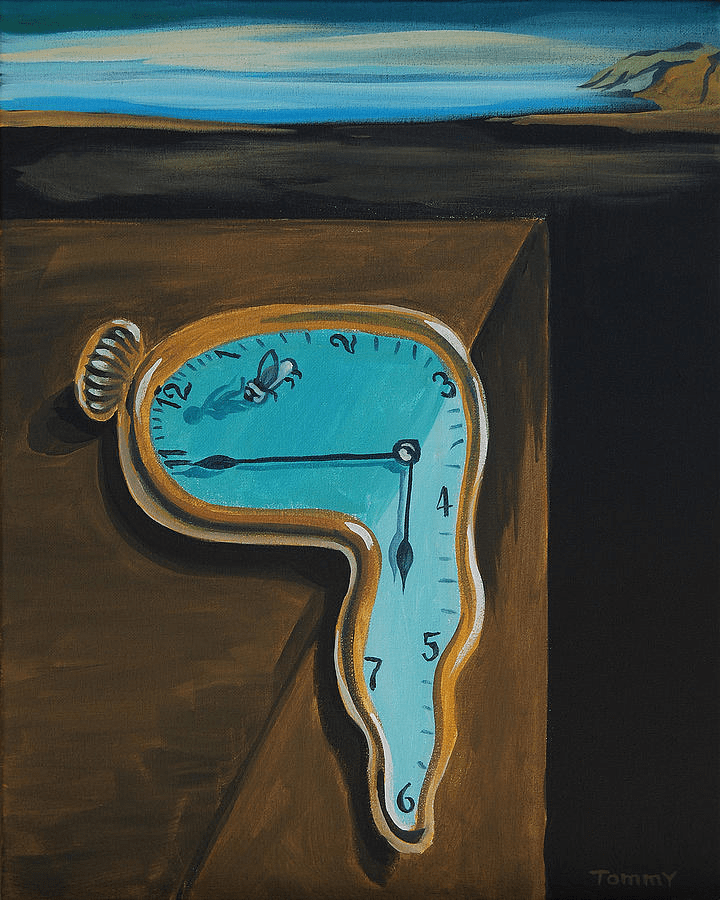
    We each get 1,440 minutes in a day. Most of them are already spoken for—scheduled, promised, and pre-committed days or even years in advance.

    I work 11 hours a day, five days a week. That’s 660 minutes spent inside a building, “singing for my supper,” as my husband jokingly calls my sales job. Add an hour commute each way—another 120 minutes gone. That’s 780 of my 1,440 minutes already claimed.

    That leaves 660 minutes at home.

    But what do I do with those? Where can I take time away—or put more time in?

    Of those 660 minutes, 480 are supposed to be for sleep. (Although, let’s be honest, half that time is just me lying there, trying to get to sleep.)

    Then there’s about 120 minutes for getting myself and the kids ready for the day.

    That leaves only 60 minutes—just one small hour—for everything else. A walk with the huskies. A rushed dinner. Maybe a few quiet moments before bed.

    So here’s what my weekday looks like:

    • 480 minutes for sleep
    • 120 for the morning routine
    • 60 for the commute
    • 660 for work
    • 60 for the drive home
    • 60 for the evening

    Every single moment—five days a week—is planned. Accounted for. Already gone.

    So, do I need time?

    Yes. I do. And I suspect I’m not the only one.

    This is where mental health care—or just plain mental health time—comes in. We work ourselves to exhaustion just to make sure there’s food on the table, a roof over our heads, gas in the tank, and a little extra to keep the cycle going. And that’s before we even think about the endless “upkeep”: groceries, laundry, bills, appointments, errands, and everything else that quietly fills our weekends.

    And somehow, in between all of that, we’re expected to work out, eat healthy, plan meals, attend school events, and still show up as super parents.

    Sure, I technically get two days off a week—two sets of 1,440 minutes. But those minutes are quickly filled with the shopping, cleaning, planning, appointments, and long drives to drop off and pick up my teenager from her job an hour away. (Yes, she works with me.)

    It’s not really time off. It’s just a different version of being busy.

    What we truly need isn’t more hours in the day—it’s more time for ourselves.

    When was the last time you did something just for you? For your partner? For your family—just for fun, with no plans or timers or expectations?

    Honestly, I can’t remember the last time I did.

    So here’s my challenge to you, dear reader: steal some time.
    Don’t make it. Don’t plan it. Just take it. Borrow it from something else if you have to. Carve out a few minutes that belong only to you—for self-care, for stillness, for mental clarity.

    Be the thief of your own minutes.

    Our jobs are not our lives. They pay for our lives, yes—but we weren’t born to work ourselves to death.

    We were born to live.

    Until next time,
    keep the coffee hot, the chaos manageable,
    and remember—you’re not alone in The Overbooked Life.